To provide you with the best experience, cookies are used on this site. Find out more here.
To provide you with the best experience, cookies are used on this site. Find out more here.



To build your own Itinerary, click  to add an item to your Itinerary basket.
Already saved an Itinerary?


You are here: Home > Explore
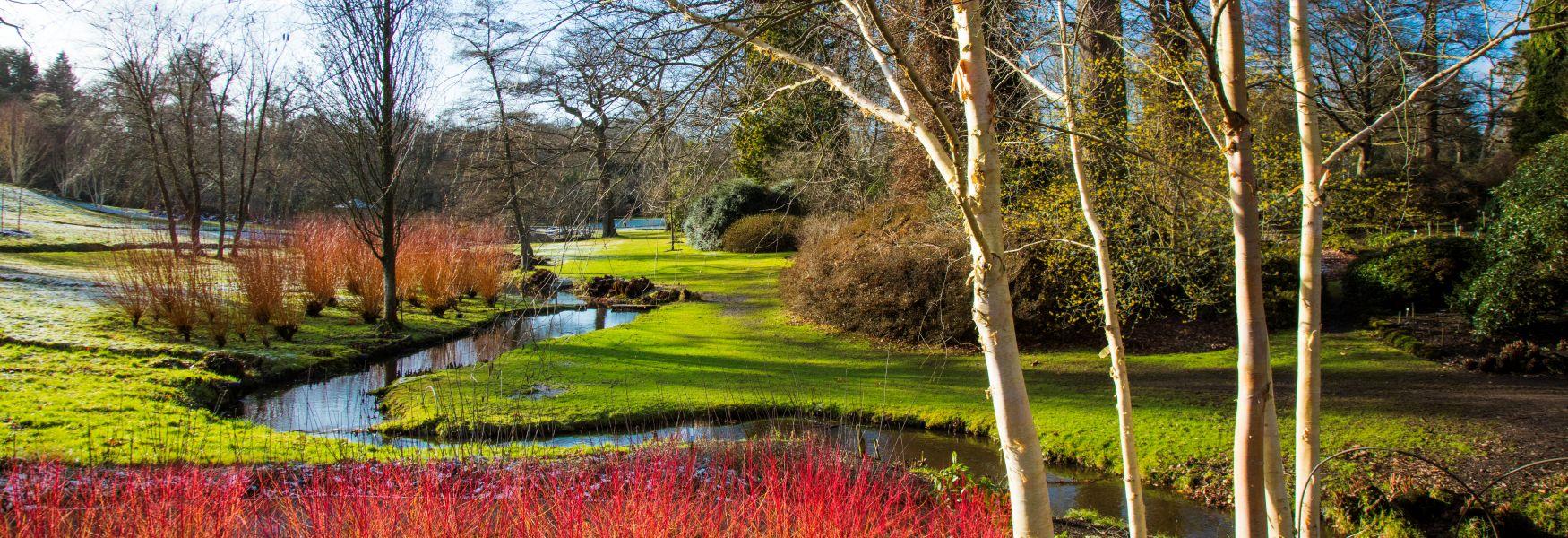
The Royal Borough of Windsor and Maidenhead embraces some of the loveliest countryside, the finest reaches of the River Thames as well as individual and attractive towns and villages, each with their own distinct personalities.
One of the Borough's most important assets is its large numbers of unspoiled rural areas including 1,000 acres of National Trust land and 4,800 acres of Windsor Great Park managed by the Crown Estate.
There is also a network of widely-used public footpaths, bridleways and byways which give access to the countryside and river.
The River Thames flows through the Royal Borough of Windsor and Maidenhead and there is something particularly appealing about the stretch from Hurley to Runnymede.
It is perhaps the most historic, offering easy strolls along the Thames Path and the chance to visit many attractions and Thames-side towns and villages or to explore by boat.
You may be here visiting Windsor, Eton, Ascot or Maidenhead but if you enjoy exploring further afield, venture out to some of our smaller villages and you'll find some true picture-postcard areas.
The landscape, the buildings, the people and the general atmosphere of the villages combine to reflect that special character which is the epitome of the Royal Borough.
Each village has its own history and distinct personality, many with boutiques, fine arts and crafts, florists and wine merchants.
With charming surroundings and friendly people where better to spend your time?
The Royal Borough of Windsor and Maidenhead is very fortunate to have some amazing towns and villages, all with their own unique history and personality and just waiting to be discovered.
Explore more about the various things to do and our wide range of attractions such as Windsor Castle, Legoland and Dorney Court.
Check out our events guide to what's on; we have a busy programme which includes big annual events such as the Royal Windsor Horse Show and Royal Ascot.
If you would like to book some accommodation, find out more about our range of hotels, homely guest accommodation, self-catering properties or even a campsite to set up base.
If you’re planning a visit to Windsor and Maidenhead then don’t forget the great food and drink, shopping and entertainment in the local area.
Last but not least, find out more about getting here and getting around. If you are travelling by car then visit our maps and parking pages for more information on the various car parks and 'park and ride' options throughout the Borough.
Ratings & Reviews
Powered By


Want to receive Windsor tips, ideas and inspiration? Subscribe to our enewsletter!
Want to hear more? Sign UpX
In partnership with









© Royal Borough of Windsor and Maidenhead 2026. All Rights Reserved