




 to add an item to your Itinerary basket.


Are you looking for a beautiful, unique and historic destination for the perfect short break or day out? Do you want plenty of things to do, great shopping, a superb choice of places to eat and drink and a wide range of places to stay so you can relax and unwind at the end of the day? Then look no further than the Royal Borough of Windsor and Maidenhead. VisitWindsor's website is the official guide to the Windsor, Maidenhead and Ascot area so whether you are looking for family-friendly things to do, unique events to enjoy with your friends or inspiration for a romantic break, you are sure to find exactly what you need!
Things to do in Windsor and the Royal Borough
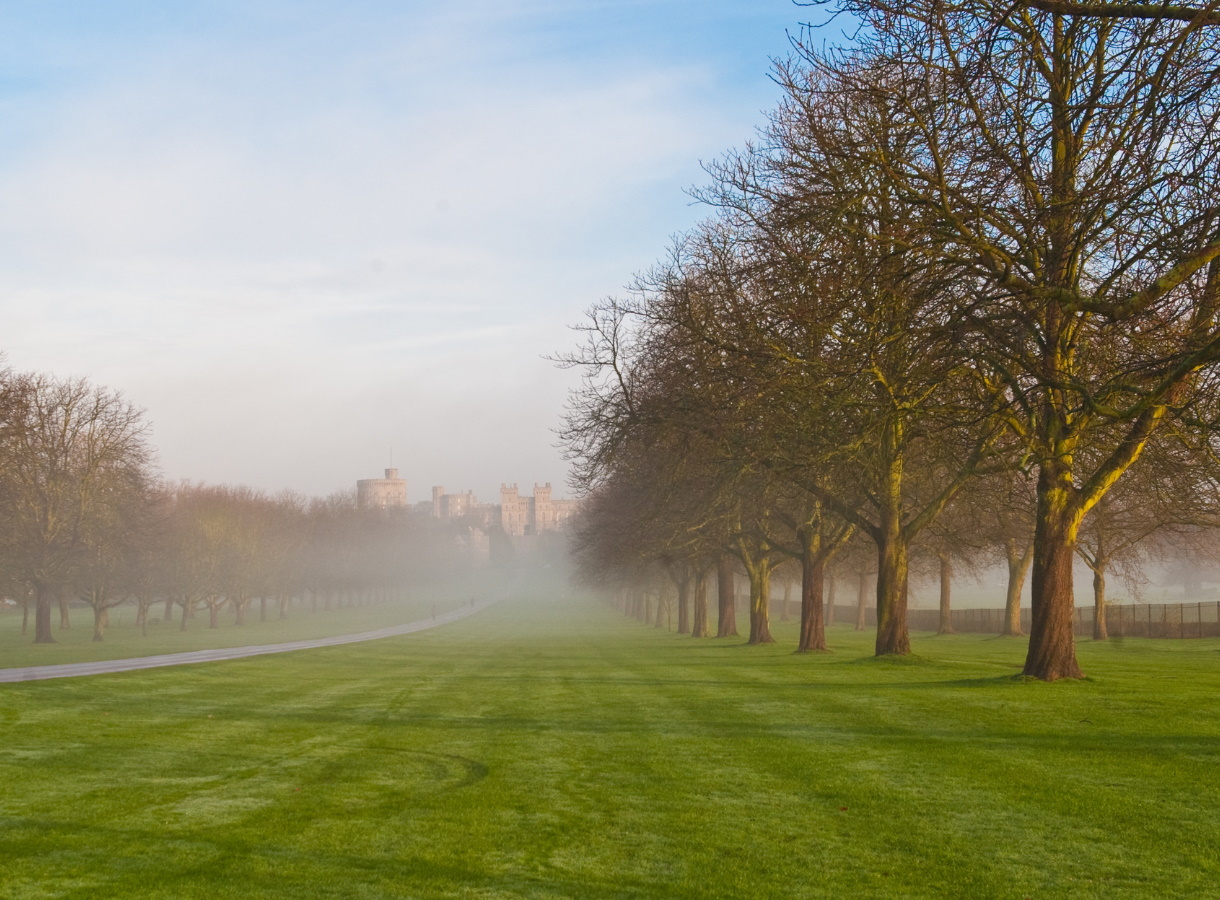
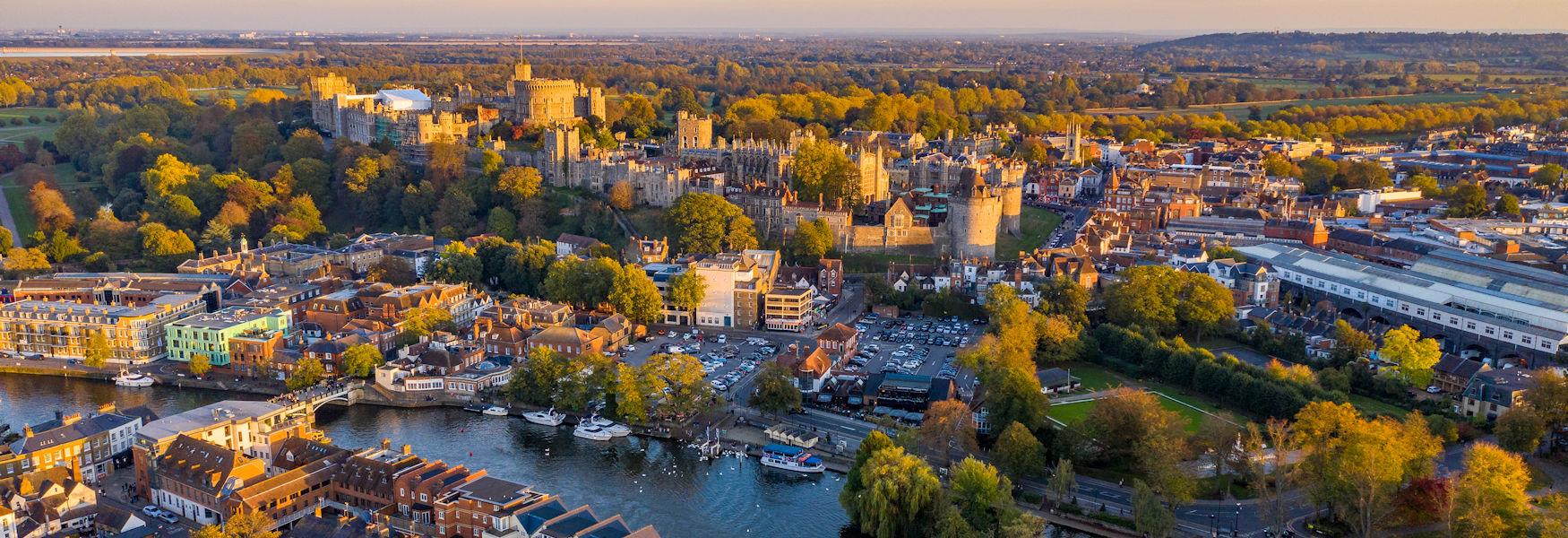
Crowned by stunning Windsor Castle – the largest and oldest inhabited castle in the world and an official residence of His Majesty The King – and linked by the beautiful River Thames, the Royal Borough has a rich mix of history, culture, heritage and fun things to do making it one of South East England’s loveliest short break destinations and a 'must see' for everyone's list. Close to Heathrow and less than an hour by public transport to the capital, we like to think of ourselves as 'London’s country estate': the perfect place from which to enjoy the city and the countryside.
Create your perfect break full of interesting things to do: buy tickets online in advance for local events and attractions – such as racing at Ascot and Royal Windsor, and boat trips on the river – or from local hotels and guest accommodation belonging to our Concierge Service. Witness the colourful, unique and very British spectacle of the Windsor Guard March and Changing the Guard ceremony within Windsor Castle's walls; it's one of our top sightseeing activities!
If you are looking for a family-friendly break with the children and theme parks are your thing then you will love visiting LEGOLAND® Windsor Resort, situated not far from Windsor town centre. Enjoy a flutter on the horses at world-famous Ascot Racecourse, home of the annual Royal Ascot in June, or Royal Windsor Racecourse, popular for its Monday evening meetings and themed race days.
Relax and be inspired by beautiful parks and gardens offering year-round interest such as The Savill Garden, Windsor Great Park and the National Trust's gardens at Cliveden, near Maidenhead.
Discover great shopping
You’ll love the shopping in our towns and villages; we have some wonderful independent retailers as well as top high street names and international brands.
Enjoy delicious food and drink
And we’re a very tasty destination with a great choice of places to eat and drink! Choose from a wide range of superb restaurants, bars, cafés, pubs and cocktail bars. We are home to award-winning local breweries and renowned fine dining and Michelin-starred restaurants too.
Explore what's on in the Windsor area
With an exciting programme of annual events such as Royal Ascot, Royal Windsor Horse Show, Windsor Festival, Windsor Great Park Iluminated and Parallel Windsor, there is always a reason to visit. Search What’s on and plan your stay. So, whether you fancy a romantic short break, a getaway with a group of friends or a family holiday you will be sure to find something to suit.
Find the perfect accommodation
If you're looking for a place to stay, browse our wide range of accommodation – from clean and comfortable budget hotels, welcoming guest accommodation, homely self catering and riverside camping to boutique hotels and fabulous five-star spa retreats – then book accommodation safely and securely online.
Plenty of ideas and inspiration
Need some inspiration? Visit our Ideas and Inspiration section and get the most out of your visit. So, what are you waiting for? Browse our website, plan ahead to find the information you need and let's make your next visit to Windsor a perfect one.